Yummy: A Versatile Display Font for Food-Themed Design
When it comes to typography, the right font can make all the difference. In the world of food-themed design, where visual appeal is key, Yummy stands out as a unique and expressive display font. Designed with an eye for creativity and functionality, Yummy is more than just a typeface—it's a statement. Whether you're crafting a restaurant menu, designing a logo, or creating a poster for a food event, Yummy offers a distinctive aesthetic that brings your message to life.
What Makes Yummy Unique?
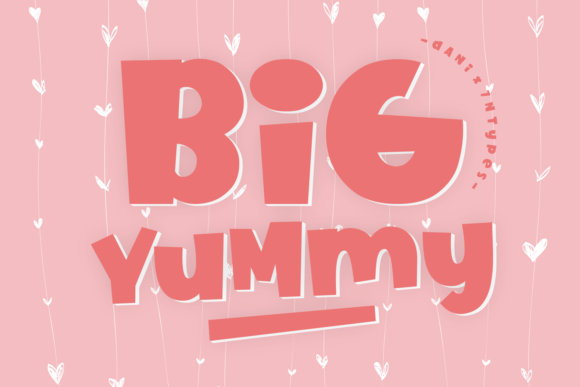
Yummy is a display font that features amazing food-themed characters, making it ideal for any project centered around culinary themes. Its design is playful yet professional, blending whimsy with clarity. The font’s characters are stylized to resemble various food items, from fruits and vegetables to baked goods and beverages. This level of detail not only enhances visual appeal but also adds a layer of storytelling to your designs.
The font's structure is carefully balanced, ensuring readability even at smaller sizes. While it's designed for display purposes, Yummy still maintains legibility, which makes it suitable for both print and digital media. Its versatility allows it to be used in a wide range of applications, from branding to marketing materials.
Applications of Yummy in Food-Themed Design
One of the most common uses of Yummy is in restaurant menus. The font's playful nature complements the vibrant and inviting atmosphere of a dining experience. When paired with high-quality images of dishes, Yummy helps create a cohesive and appealing visual identity that draws customers in.
In addition to menus, Yummy is also well-suited for logos. Its bold and stylized characters can serve as a memorable brand identifier, especially for businesses that want to convey a sense of fun and creativity. For example, a boutique bakery might use Yummy in its logo to reflect the sweetness and charm of its products.
Posters are another excellent application for Yummy. Whether it's for a food festival, a cooking class, or a pop-up event, the font adds a dynamic and engaging element to the design. Its eye-catching style ensures that your message stands out and captures attention quickly.
For digital content, such as social media graphics or website headers, Yummy can elevate the overall look of your platform. It works particularly well with food-related blogs, recipe websites, and online marketplaces that sell gourmet products. The font's modern and stylish appearance aligns with current design trends, making it a great choice for both casual and professional settings.
Advantages of Using Yummy
There are several advantages to using Yummy in your design projects. First and foremost, its unique character set allows for creative expression without compromising on clarity. Unlike many other display fonts that may become difficult to read at smaller sizes, Yummy maintains its readability across different formats and mediums.
Another benefit of Yummy is its adaptability. The font can be scaled up or down depending on the needs of your project, making it suitable for both large-scale signage and small digital elements. This flexibility ensures that you can use Yummy consistently across various platforms without worrying about consistency or legibility.
Furthermore, Yummy supports multiple languages, which is especially useful for businesses that operate internationally or cater to diverse audiences. Its universal appeal makes it a valuable tool for global branding efforts.
Considerations When Using Yummy
While Yummy offers many benefits, there are a few considerations to keep in mind when incorporating it into your designs. One important factor is the font's intended use. Since it's primarily a display font, it's best suited for headlines, titles, and other prominent text elements rather than body copy.
Additionally, it's essential to ensure that Yummy is used in a way that complements the overall design. While its playful and stylized characters add visual interest, they should not overshadow the content itself. Striking a balance between creativity and readability is key to achieving an effective design.
Lastly, always check for font licensing requirements before using Yummy in commercial projects. Some fonts may have restrictions on their usage, so it's important to understand the terms of service associated with the specific version of Yummy you're using.
Real-World Examples of Yummy in Action
To better understand how Yummy can be applied in real-world scenarios, let's look at a few examples:
- Coffee Shop Logo: A local café might use Yummy in its logo to reflect the warmth and energy of its brand. The font's stylized characters could resemble coffee cups or beans, reinforcing the theme of the business.
- Food Blog Header: A popular food blog could incorporate Yummy as its primary header font to create a visually engaging and memorable experience for readers.
- Event Poster: For a food festival or cooking competition, Yummy can be used to craft an eye-catching poster that highlights the event's theme and attractions.
- Menu Design: A high-end restaurant might use Yummy in its menu to create a sophisticated and elegant look while still maintaining a touch of playfulness.
These examples demonstrate how Yummy can be tailored to fit a variety of design needs while maintaining its core characteristics of creativity and readability.
Conclusion
Yummy is more than just a font—it's a powerful tool for anyone involved in food-themed design. With its unique character set, versatility, and adaptability, it offers a fresh and engaging approach to visual communication. Whether you're a designer, marketer, or business owner, Yummy can help you create compelling and memorable designs that resonate with your audience.